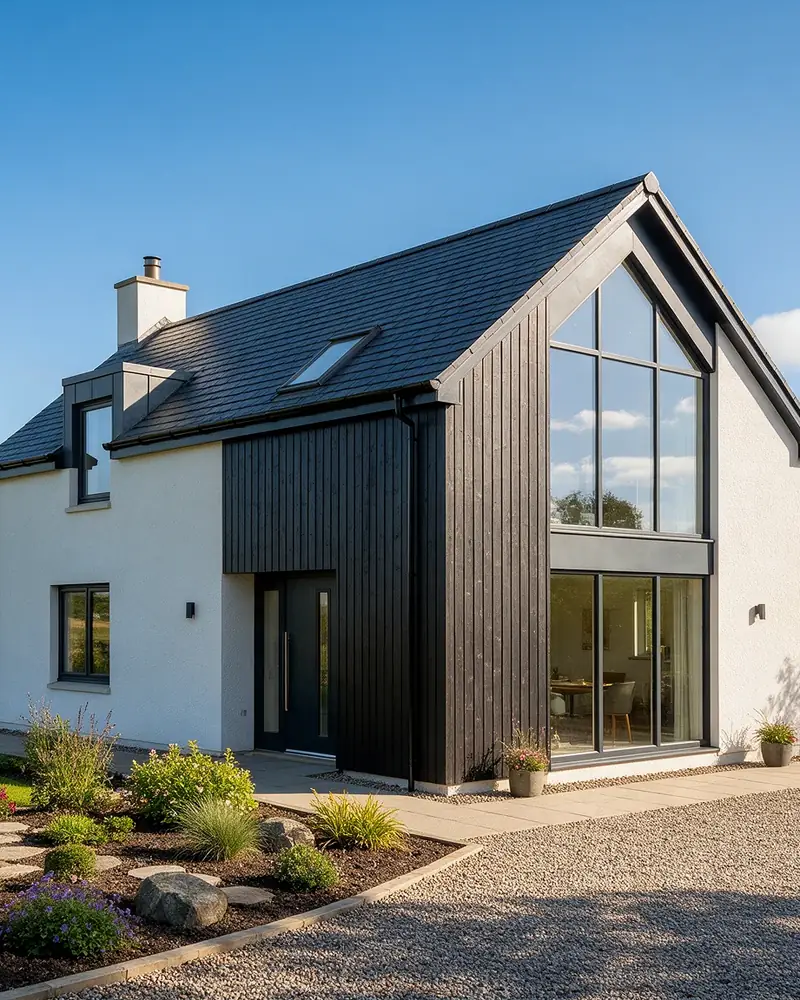
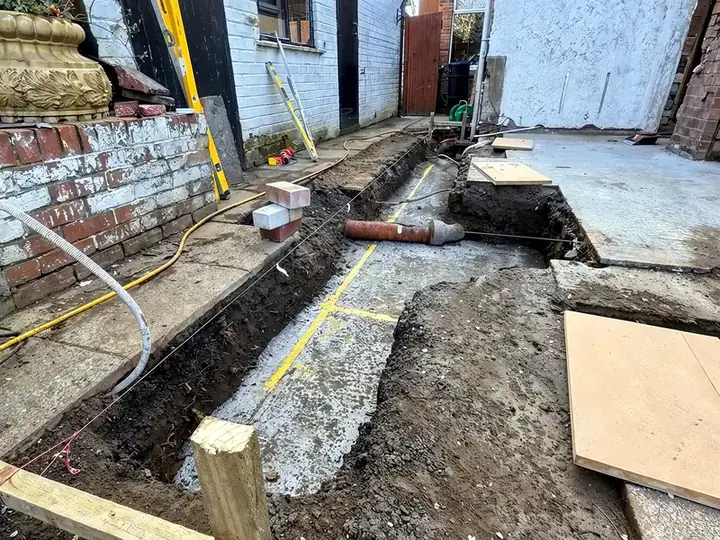
1. The plot
Before buying a plot, find out whether it has planning permission, or whether permission is likely. Check how you will get access, whether water, electricity and drainage can be connected and roughly what that involves, and whether there is anything about the ground that could affect the foundations.
2. Planning permission
Some plots come with planning permission in principle, which establishes that a house is acceptable there. The detailed design still needs approval. Find out early what the council will expect in terms of size, style and position on the plot.
3. Design
Your design needs to suit the plot, your budget and the way you want to live. A good designer will also think about how the house will be built and what that means for cost, not just how it looks.
4. The building warrant
Once the design is settled, detailed drawings and a specification go to the council for a building warrant. Building work should not start until the warrant is granted.
5. Finance
Self build finance usually works differently from a normal mortgage, with money released in stages as the build progresses. Speak to a lender or broker who deals with self build early, as it affects how the build is programmed and paid for.
HMRC also runs a scheme that allows people building their own home to reclaim VAT on some building materials. There are rules and time limits, so read up on it before you start, not after.
6. Who builds it
Some self builders manage every trade themselves. Others want one company to take the whole build on. If you want the second, that is what we do: our own team builds it and runs the programme, from groundworks to completion.
How we can help
Our sister company, CWJ Architectural Design Services, can design the house and handle planning and the building warrant. Our quantity surveyors price the build from the drawings, and our team builds it. We deal with the council all the way to the completion certificate.